
Top

Mould Temperature Control

  • HTC-A 
  • HTC-W 
  • HTMC-H 
  • HTMC-W
  • HTCH-V
  • HTCH
Mould Temperature Control

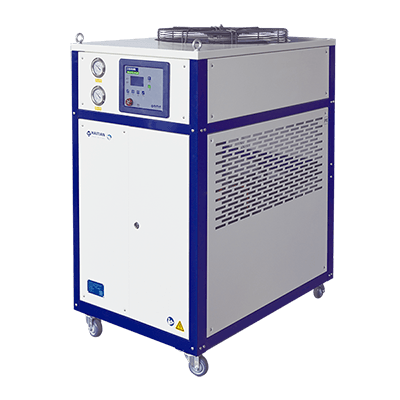
HTC-A air-cooled chiller
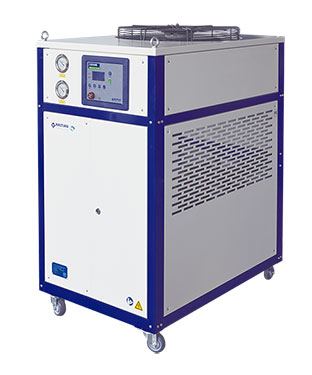
HTC-W water-cooled chiller

The HTC series of industrial chillers are primarily used for mould cooling to reduce moulding cycles. They can also be used to maintain the equipment’s normal operating temperature or in other industrial applications requiring cooling. This cooler series is available in both air-cooled and water-cooled configurations, with compressor capacities ranging from 5 HP to 50 HP and cooling capacities from 6,800 to 120,000 kcal/h.


Features
  • It utilises high-quality imported compressors and energy-efficient, durable brand-name water pumps and fans;
  • The radiator, featuring a unique design, offers excellent heat transfer efficiency.
  • The open water tank, made of stainless steel, ensures that cleaning and maintenance procedures are quick and easy;
  • Equipped with a microprocessor-controlled temperature unit, it can regulate temperature with ±1℃ accuracy;
  • The unit is fitted with automatic water replenishment, reverse phase loss protection, overcurrent protection, high and low voltage protection, and multiple electronic time-delayed safety protection functions. In the event of a fault, an alarm will sound immediately.
  • The unit is fitted with automatic water replenishment, reverse phase loss protection, overcurrent protection, high and low voltage protection, and multiple electronic time-delayed safety protection functions. In the event of a fault, an alarm will sound immediately.
  • Optional TCP communication function – enables communication with a host computer for centralised monitoring.

HTMC-H Oil-Cooled Mold Temperature Controller
HTMC-W Water-Cooled Mold Temperature Controller

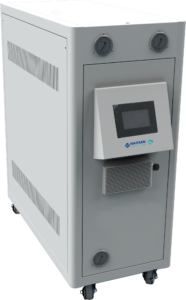
The HTMC series of mold temperature control units is divided into two types: water-type and oil-type mold temperature control units. They exchange heat through direct or indirect cooling and are primarily used for heating and maintaining the temperature of molds, but they can also be used in other applications where such functions are required. The maximum heating temperatures for water-type mold temperature control units are 120°C, 160°C, and 180°C; for oil-type mold temperature control units, the maximum heating temperatures are 200°C and 300°C.

Features
  • Microcomputer control, LCD display, intuitive interface, and simple operation;
  • It features a timer-controlled on/off function in the calendar, supports switching between Chinese and English, and supports temperature and humidity conversion.
  • The electrical control box and chassis are designed to be isolated from each other, providing excellent insulation and extending the service life of electrical components.
  • The main pipeline is made of 304 stainless steel, which is corrosion-resistant, high-pressure-rated, explosion-proof, and long-lasting.
  • High-quality, high-efficiency pumps are used to meet the temperature control requirements of various molds;
  • Thanks to the dual temperature sensing feature for the inlet and outlet environments, the health status of the mold’s water circuit can be monitored in real time;
  • It is equipped with reverse phase protection, pump overload protection, over-temperature protection, and low-fluid-level protection;
  • Optional features: (1) TCP communication function – can communicate with a Haitian injection molding machine to enable centralized monitoring; (2) Automatic drain/oil function—can drain water/oil from the mold at the end of production; (3) Water filter—filters out mud, sand, iron filings, and other particulate impurities from the cooling water; (4) Pressure and flow monitoring—displays ambient pressure and flow in real time;

HTCH-V Series

The HTCH-V series is primarily used for the long-term cooling or heating of molds and provides mold temperature control between 5 and 100°C. It is generally suitable for 1–2 temperature settings and features an internal purified water tank, making it particularly suitable for heating and cooling water-cooled molds used in medical and 3D printing applications. Application scenarios include: 3D printing mold cooling; automotive interior trim parts operating at 40°C; and stable mold temperature control below 60°C.


Features
  • The high-resolution touchscreen features a specialized overheating protection design, providing faster and more comprehensive protection for the device.
  • The controls are intuitive, the display is clear, and operation is simple.
  • The electrical control box features an insulation design that ensures excellent insulation and extends the service life of electrical components;
  • It uses a fully digital PID segmented temperature control system and SSR solid-state heating output for precise temperature control;
  • Manufactured using imported components and specialized materials, this product does not form calcium deposits, does not corrode the mold, and is long-lasting. The dual temperature sensing feature for the inlet and outlet environments allows for real-time monitoring of the mold’s water circuit health.
  • Optional features include a flow indicator; standard features include automatic water replenishment, reverse phase loss protection, overcurrent protection, freeze protection, high and low voltage protection, and more.
  • Network connectivity: Optional *TCP communication function—can communicate with Haitian injection molding machines for centralized monitoring;

HTCH Series

The HTCH Series rapid heating and cooling mold temperature control unit uses high-pressure hot water instead of steam to heat the mold, rapidly raising the mold temperature to a set value. During cooling, cold water is injected to rapidly lower the mold temperature to the set value. Temperature range: Rapid heating up to 180°C, rapid cooling down to below 30°C. It is used to eliminate weld lines, air marks, ripples, and silver streaks on product surfaces; improve surface smoothness; reduce product defect rates; shorten the production cycle of thick-walled products by over 60%; enhance the flowability and filling effect of plastics; and significantly improve production efficiency. Application areas: home appliances, automotive, communications, daily necessities, medical devices, and other industries.